


Bringing a dog into your home is more than just adding a pet—it is the beginning of a daily responsibility that affects your dog’s health, behavior, and emotional well-being. For first-time owners, understanding how everyday care fits together makes dog ownership easier and more rewarding from the start.
Nutrition and Preventive Health Care
Everything begins with proper nutrition, as food directly influences a dog’s energy, digestion, and immunity. Feeding your dog high-quality food suited to their age and size helps maintain steady growth and long-term health. Along with balanced meals, access to clean drinking water throughout the day is essential to keep the body functioning properly and prevent common health issue.
Good nutrition works best when combined with preventive health care. Regular veterinary visits allow early detection of potential problems, while vaccinations and parasite prevention protect dogs from common illnesses. When health is managed proactively, dogs are more active and comfortable in their daily lives.
Exercise, Training, and Daily Structure
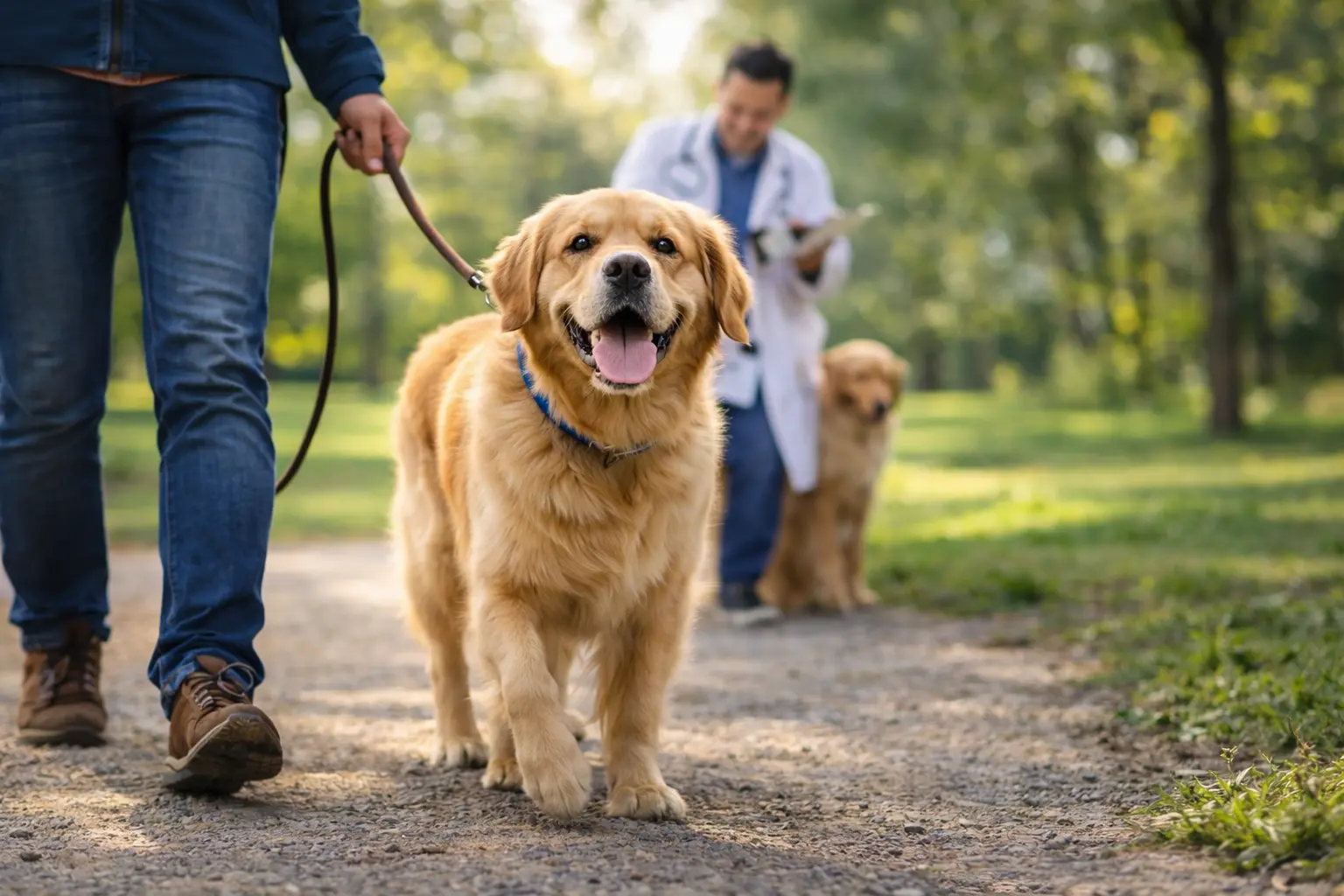
A healthy dog naturally needs daily movement, which connects physical well-being with mental balance. Regular walks and playtime help release stored energy and reduce anxiety, making dogs calmer at home. Physical activity also supports better digestion and improves sleep, creating a positive daily rhythm.
As dogs become calmer through exercise, training becomes more effective. Basic training using patience and positive reinforcement helps dogs understand expectations and strengthens communication with their owners. Training is not just about obedience; it builds trust and confidence, which influences how dogs respond to everyday situations.
When exercise and training are practiced consistently, they naturally create a stable daily structure. Dogs feel safest when feeding times, walks, and rest periods follow a predictable pattern. A steady routine reduces stress and helps dogs adapt smoothly to their home environment.
Grooming and Emotional Care
Training and routine are supported by proper grooming and emotional attention. Regular brushing, nail trimming, ear cleaning, and dental care keep dogs comfortable and allow owners to notice early signs of health concerns. Grooming sessions also strengthen trust and positive interaction.
At the center of all these daily practices is emotional care. Dogs are social animals that need affection, attention, and companionship. Spending quality time together strengthens the bond and improves overall behavior, making daily care more meaningful rather than mechanical.

“Healthy dogs don’t happen by chance — they grow through care”

Conclusion
In the end, dog care is not about performing separate tasks but about creating a balanced lifestyle. When nutrition, preventive health care, exercise, training, grooming, routine, and emotional support work together, dogs grow into healthy, calm, and loyal companions.